“Stomach Bleeding” search results (40)

Acute stomach bleeding caused by taking painkillers with coffee
It is not uncommon for busy white-collar workers to take drugs with drinks. Ms. Liu was busy with her business and took the painkiller ibuprofen (Fenbid) with coffee, resulting in acute stomach bleeding. Fenbid is a commonly used painkiller. Its component ibuprofen is a derivative of phenylacetic acid. Its acidic component has the effect of stimulating gastric mucosa, said Li Hongzhu, associate researcher at Tianjin Pharmaceutical Research Institute
2014-06-14 Coffee and Health Painkillers Acute Stomach Bleeding
Painkillers may cause stomach bleeding in case of coffee
Daily headaches, joint pain or physical injuries, it is inevitable to take some painkillers, some female white-collar workers in order not to let dysmenorrhea affect work, will also take painkillers irregularly. However, when taking painkillers, you must pay attention to your diet, otherwise painkillers are likely to become "painkillers".
2014-08-27 Coffee knowledge painkillers coffee health stomach bleeding
Coffee research painkillers may cause stomach bleeding in case of coffee
When the pain strikes, after taking painkillers, many people will pick up coffee or coke to drink. Ibuprofen is very irritating to the gastric mucosa, while the caffeine in coffee and theobromine in cola can stimulate the secretion of gastric acid, thus aggravating the guidance expert of the drug on gastric mucosa this week: Liu Hongyan Nankai Hospital, deputy director of the Department of Pharmacy, daily headache, joint pain or physical injury.
2014-11-04 Coffee knowledge coffee research painkillers stomach bleeding
Painkillers encounter coffee may have stomach bleeding common sense of coffee
Daily headaches, joint pain or physical injuries, it is inevitable to take some painkillers, some female white-collar workers in order not to let dysmenorrhea affect work, will also take painkillers irregularly. However, when taking painkillers, you must pay attention to your diet, otherwise painkillers are likely to become painkillers. Ibuprofen is very common in the daily use of various painkillers, the antipyretic painkiller ibuprofen
2015-03-13 Painkillers coffee maybe bleeding common sense daily headaches joints body injuries
Painkillers may have stomach bleeding in case of coffee?
Guidance expert this week: Liu Hongyan, deputy director of the Pharmacy Department of Nankai Hospital, inevitably takes some painkillers when she has a headache, joint pain or physical injury. Some female white-collar workers also take painkillers irregularly in order not to let dysmenorrhea affect their work. However, when taking painkillers, you must pay attention to your diet, otherwise painkillers are likely to become painkillers. Ibuprofen is common for pain relief.
2015-06-25 Painkillers coffee maybe bleeding this week guidance expert Liu Hongyan Hongyan Nan
Taking painkillers with coffee is easy to cause acute gastric bleeding.
It is not uncommon for busy white-collar workers to take medicine with drinks. Because of her busy business, Ms. Liu took the painkiller ibuprofen (Fenbid) with coffee, which led to acute gastric bleeding. Li Hongzhu, an associate researcher at Tianjin Pharmaceutical Research Institute, said Fenbid is a commonly used painkiller. Ibuprofen is a derivative of phenylacetic acid, and its acidic component already has the effect of stimulating gastric mucosa.
2015-06-26 Coffee delivery painkillers easy to trigger acute bleeding drinks medicine
Don't take medicine with drinks such as coffee.
It is not uncommon for busy white-collar workers to take medicine with drinks. Because of her busy business, Ms. Liu took the painkiller ibuprofen (Fenbid) with coffee, which led to acute gastric bleeding. Li Hongzhu, an associate researcher at Tianjin Pharmaceutical Research Institute, said Fenbid is a commonly used painkiller. Ibuprofen is a derivative of phenylacetic acid, and its acidic component already has the effect of stimulating gastric mucosa.
2015-06-26 Health common sense of life do not use coffee drink delivery service medicine beverage
Coffee research do not use drinks such as coffee to take drugs
It is not uncommon for busy white-collar workers to take medicine with drinks. Because of her busy business, Ms. Liu took the painkiller ibuprofen (Fenbid) with coffee, which led to acute gastric bleeding. Li Hongzhu, an associate researcher at Tianjin Pharmaceutical Research Institute, said Fenbid is a commonly used painkiller. Ibuprofen is a derivative of phenylacetic acid, and its acidic component already has the effect of stimulating gastric mucosa.
2014-11-04 Coffee knowledge coffee research coffee medication
Where did the earliest coffee come from? how was the earliest coffee handled in the first place?
The cultivation and production of coffee in the 17th century has always been monopolized by Arabs. At that time, it was mainly used in medicine and religion, and doctors and monks admitted that coffee had the effects of refreshing, awakening, strengthening the stomach, strengthening the body and stopping bleeding. The use of coffee was documented at the beginning of the 15th century and was integrated into religious ceremonies during this period. At the same time, it also appeared in the folk as a daily drink. Because of Islam
2016-05-24 Early coffee from where start how deal with 17th century
Three native species of coffee, Arabica, Robusta.
Coffee, we generally refer to the finished product: the coffee we drink, also refers to coffee beans. Coffee belongs to the evergreen shrub of the genus Coffee of Rubiaceae. Coffee has some medicinal effects, such as waking up the brain, strengthening the stomach, stopping bleeding, dissipating heat, strengthening the body, etc., hee hee, if anyone is blinded by love, have a cup of coffee to wake up! There are about 40 species of coffee plants, but they can produce commercially valuable
2015-09-24 Coffee Big three Native Rabbi Card Robes Booth General We
Do not take medicine with drinks such as coffee.
Li Hongzhu, an associate researcher at Tianjin Pharmaceutical Research Institute, said that Fenbid is a commonly used painkiller. Ibuprofen, a derivative of phenylacetic acid, has an acidic effect on the gastric mucosa, while caffeine in coffee stimulates the secretion of stomach acid. When mixed with Fenbid, the damage to the stomach is beyond doubt. Often ignore these drug taboos, it is possible to guide
2014-08-27 Coffee knowledge coffee drinks medication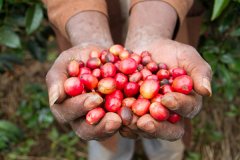
Three native species of coffee: Arabica, Robusta and Liberia
Coffee belongs to the evergreen shrub of the genus Rubiaceae, which is centered in the tropics. There are about 6000 species of Rubiaceae belonging to 500 genera. Coffee has always been considered to have certain effects, such as invigorating the stomach, waking up the brain, stopping bleeding, dissipating heat, strengthening the body and so on. There are about 40 species of coffee plants, but the only ones that can produce coffee beans of commercial value are Arabica, Robusta and Libby.
2015-11-02 Coffee three native rabbi card species Robbs booth Libby subspecies
Fine Coffee Science explains in detail the three native species of coffee
Coffee, we generally refer to the finished product: the coffee we drink, also refers to coffee beans. Coffee belongs to the evergreen shrub of the genus Coffee of Rubiaceae. Coffee has some medicinal effects, such as waking up the brain, strengthening the stomach, stopping bleeding, dissipating heat, strengthening the body, etc., hee hee, if anyone is blinded by love, have a cup of coffee to wake up! There are about 40 species of coffee plants, but they can produce commercially valuable
2014-11-13 Coffee knowledge boutique caffeine coffee native species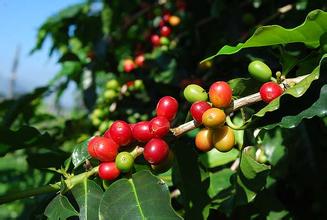
The difference between the three native species of coffee and the introduction of Arabica and Robusta
Coffee belongs to the evergreen shrub of the genus Rubiaceae, which is centered in the tropics. There are about 6000 species of Rubiaceae belonging to 500 genera. Coffee has always been considered to have certain effects, such as invigorating the stomach, waking up the brain, stopping bleeding, dissipating heat, strengthening the body and so on. There are about 40 species of coffee plants, but the only ones that can produce coffee beans of commercial value are Arabica, Robusta and Libby.
2016-01-04 Coffee three native species difference rabbi Robbins Booth introduction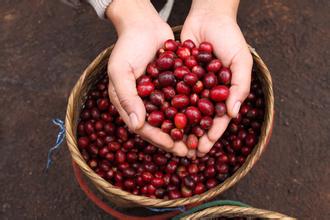
Coffee rookie entry-level learning coffee lesson 1 basic knowledge of coffee introduction to coffee varieties
Coffee belongs to the evergreen shrub of the genus Rubiaceae, which is centered in the tropics. There are about 6000 species of Rubiaceae belonging to 500 genera. Coffee has always been thought to have certain effects, such as strengthening the stomach, waking up the brain, stopping bleeding, dissipating heat, strengthening the body, and so on. The more famous Rubiaceae plant is Gardenia jasminoides, whose fruit was dried and used as medicinal material a long time ago. The three native species of coffee
2016-02-17 Coffee rookie introduction learning one lesson fundamentals knowledge learning variety coffee
The basic knowledge of coffee beans The three original species of coffee
Coffee belongs to the evergreen shrubs of the genus Coffee of Rubiaceae, centered in tropical regions, with about 500 genera and 6000 species of Rubiaceae plants distributed here. Coffee has long been thought to have certain medicinal effects, such as invigorating stomach, refreshing mind, stopping bleeding, dissipating heat, strengthening body, etc. More famous Rubiaceae plants and gardenia, its fruit has long been dried as medicine
2015-11-06 coffee beans basics coffee three big native
The basics of coffee beans the three native species of coffee
Coffee belongs to the evergreen shrub of the genus Rubiaceae, which is centered in the tropics. There are about 6000 species of Rubiaceae belonging to 500 genera. Coffee has always been thought to have certain effects, such as strengthening the stomach, waking up the brain, stopping bleeding, dissipating heat, strengthening the body, and so on. The more famous Rubiaceae plant is Gardenia jasminoides, whose fruit was dried and used as medicinal material a long time ago. The three native species of coffee
2015-01-26 Coffee beans basic knowledge coffee three native belong to grass family evergreen
What are the varieties of charcoal roasted coffee and matters needing attention
The following six types of people should not drink coffee with high blood pressure and coronary heart disease.
2016-06-08 Charcoal coffee what variety matters needing attention
The basic knowledge of Coffee beans Coffee beans are the three native species of coffee
Coffee belongs to the evergreen shrub of the genus Rubiaceae, which is centered in the tropics. There are about 6000 species of Rubiaceae belonging to 500 genera. Coffee has always been thought to have certain effects, such as strengthening the stomach, waking up the brain, stopping bleeding, dissipating heat, strengthening the body, and so on. The more famous Rubiaceae plant is Gardenia jasminoides, whose fruit was dried and used as medicinal material a long time ago. The three native species of coffee
2015-04-13 Coffee beans basic knowledge coffee three native belong to grass family evergreen
The basic knowledge of Coffee beans the three native species of coffee Robsta species Arabica species Libby
Basic knowledge of coffee beans (1) Coffee belongs to the evergreen shrub of the genus Rubiaceae, which is centered in the tropics. There are about 6000 species of Rubiaceae belonging to 500 genera. Coffee has always been thought to have certain effects, such as strengthening the stomach, waking up the brain, stopping bleeding, dissipating heat, strengthening the body, and so on. The more famous Rubiaceae plant is Gardenia jasminoides, whose fruit was dried and used as medicine a long time ago.
2016-03-17 Coffee beans Basics Coffee Native Robes Booth Rabbi Card seed Libby